In this article
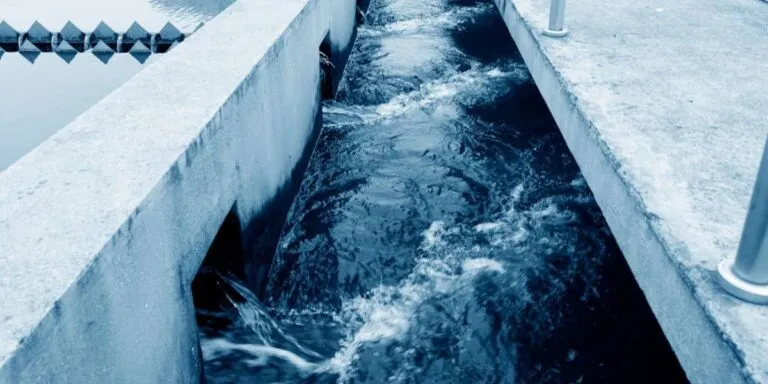
At Global-TALKE we keep moving forward with the optimisation of our processes from a sustainable standpoint. We recently carried out the characterisation of the sludge from our wastewater treatment plant: a key step that has allowed us to recover value from this by-product and send it for composting in partnership with a specialist company.
Environmental and economic impact
This change in sludge management has brought both ecological and financial benefits:
- Lower costs: recovering the sludge as compost has generated estimated savings of €35,000–40,000 a year compared with disposal through other conventional routes.
- Smaller carbon footprint: a significant reduction in CO₂ emissions has been achieved, minimising the environmental impact of the transport and conventional treatment of the sludge.
- Nutrient recovery: the compost produced from the sludge recovers organic matter and essential nutrients such as nitrogen and phosphorus, helping to fertilise agricultural soils and reducing the need for synthetic fertilisers.
Technical process and validation
The characterisation of the sludge included physical-chemical and microbiological analyses to guarantee its suitability for composting. The parameters assessed included:
- Organic matter content: assessed to determine its biodegradation potential
- Presence of heavy metals: verified to be within the regulatory limits for agricultural use
- Microbiological load: the absence of pathogens that could compromise the safety of the compost has been verified
Towards more sustainable management
This project not only optimises our waste management but also strengthens our commitment to the circular economy, in line with European sustainability strategies. At Global-TALKE we continue to pursue innovative solutions that combine operational efficiency with a lower environmental impact. That is why we keep working on new approaches to make our processes a benchmark in sustainability.