In this article
- What are the SEVESO regulations for?
- Who does the SEVESO Directive apply to?
- What are companies' responsibilities under SEVESO?
- What are the authorities' responsibilities under SEVESO?
- How does the SEVESO Directive affect local communities?
- Improvements SEVESO brings today:
- Success stories
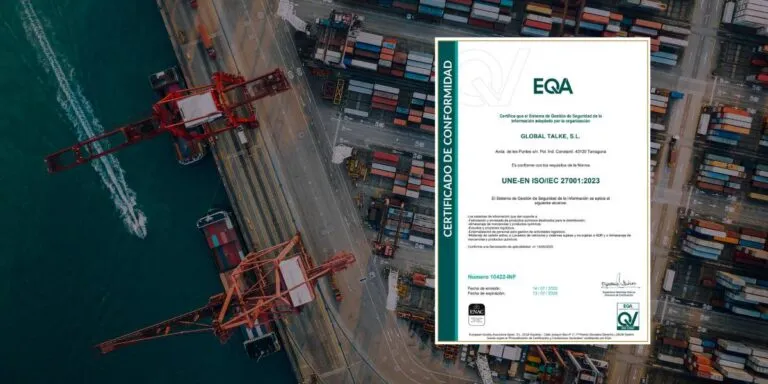
- At Global-TALKE we comply with the SEVESO Directive
The SEVESO regulations are a European rule designed to protect people, communities and the environment from major accidents caused by dangerous substances. They set out the measures companies must follow to prevent accidents and keep damage to a minimum should they occur. Industries that work with hazardous materials must comply with these rules to guarantee the safety of everyone involved.
What are the SEVESO regulations for?
SEVESO's main aim is to prevent major accidents at factories and industrial facilities that handle dangerous substances. It also seeks to reduce the negative consequences of such events for people's health, property and the environment. The regulations ensure that industrial development takes place responsibly and safely, respecting both nearby communities and natural ecosystems.
Who does the SEVESO Directive apply to?
SEVESO applies to companies that store or use large quantities of dangerous substances. There are, however, certain exceptions, including:
- Military operations and activities related to national defence
- Transport of dangerous substances covered by other specific regulations
- Temporary and short-term storage
- Agricultural activities that handle materials under specific conditions
This scope allows the regulations to focus on the industries with the greatest risk potential, ensuring that supervision and control resources are used where they matter most.
What are companies' responsibilities under SEVESO?
Companies have a series of responsibilities under SEVESO to guarantee safety:
1. Preventing accidents
- Draw up major-accident prevention policies and plans
- Regularly review their processes to identify and eliminate potential risks
2. Reporting on risks
- Prepare technical reports detailing the hazards associated with the substances handled and the measures to control them
- Give local authorities and the public clear information about the existing risks and the preventive actions taken
3. Preparing for emergencies
- Design and keep up to date internal emergency plans to respond immediately and effectively to any incident
- Work with the authorities on the creation of external emergency plans
What are the authorities' responsibilities under SEVESO?
- Develop external emergency plans to protect nearby communities
- Supervise companies' compliance with all the provisions of the regulations
- Inform the public about the risks associated with industrial facilities and the safety measures adopted
Inspections to guarantee compliance
- Identify potential problems before they become serious risks.
- Ensure that emergency plans are up to date and effective.
- Impose penalties in the event of non-compliance, encouraging continuous safety improvements.
How does the SEVESO Directive affect local communities?
- Providing clear, accessible information about the risks posed by nearby industrial facilities.
- Allowing citizens to take part in public consultations on industrial projects that may have a significant impact on local safety.
- Ensuring that communities receive prompt, accurate notifications in the event of an emergency.
Improvements SEVESO brings today:
- More regulated substances: the list of hazardous materials has been expanded to include newly identified chemical compounds with associated risks.
- Greater emphasis on communication: companies must be more transparent and proactive in informing communities and authorities about risks.
- Stricter inspections: the frequency and depth of reviews have been increased to guarantee more rigorous compliance.
- Technological adaptation: the regulations encourage the use of advanced technologies for risk management and monitoring.
Success stories
- Fewer serious incidents: a chemical plant in Germany implemented advanced monitoring systems that made it possible to detect and prevent leaks, cutting serious accidents by 50% over a three-year period.
- Greater community trust: in Spain, a petrochemical company organised educational workshops and meetings with the local community to explain its safety measures. This not only strengthened its relationship with residents but also increased the perception of safety.
At Global-TALKE we comply with the SEVESO Directive
Complying with SEVESO is not only a legal obligation but also an opportunity for companies like Global-TALKE to demonstrate our commitment to safety and sustainability. By adopting these measures:
- We improve our reputation with clients, investors and communities.
- We optimise our operational processes, reducing the costs associated with incidents.
- We contribute to sustainable development, balancing industrial growth with protection of the environment.
In short, SEVESO is an essential set of regulations for guaranteeing safety in industries that handle dangerous substances. Implementing it protects lives, prevents environmental damage and promotes a culture of responsibility and transparency. If you are looking for a company that complies with these regulations, contact us: together we will lead the way towards a safer, more sustainable future.