In this article
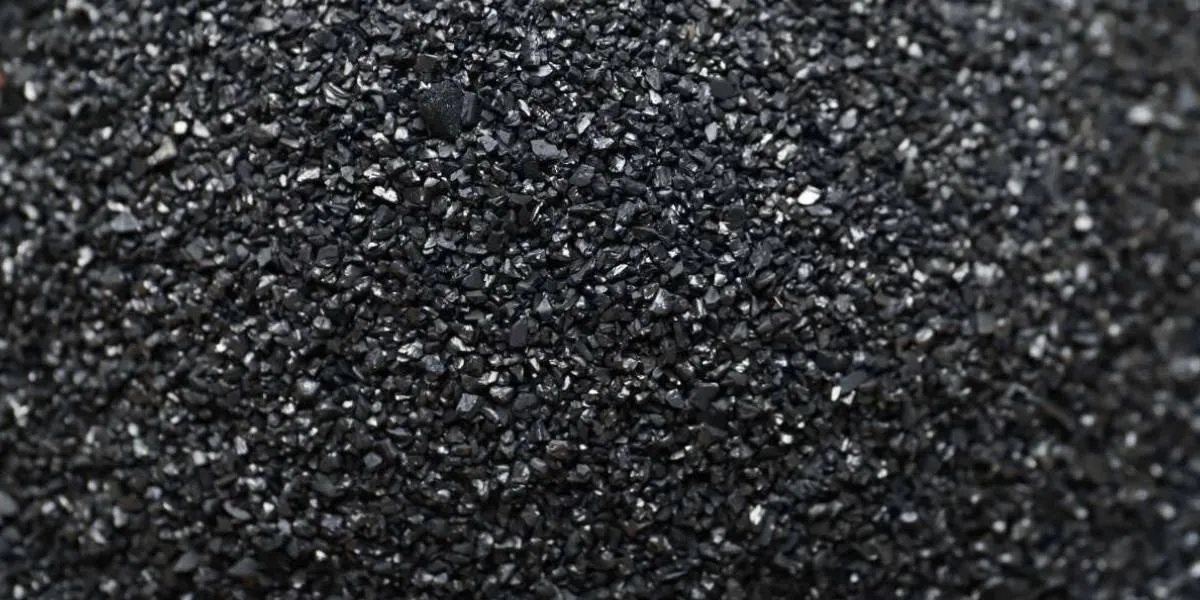
Activated carbon, also known as active carbon, is a highly porous material that stands out for its adsorption capacity, that is, its ability to attract and retain substances on its surface. This material is made from raw materials such as wood, coal or coconut shells, which go through a thermal or chemical activation process to develop their porous structure.
Thanks to its unique composition and characteristics, activated carbon has a wide variety of applications across many industries, and is an indispensable resource for purification, cleaning and the removal of contaminants.
Properties and benefits of activated carbon
What makes activated carbon so special is its high capacity to adsorb chemical compounds, toxins and particles in its microscopic network of pores. Some of its main properties include:
- Large internal surface area: a single gram of activated carbon can have an internal surface area equivalent to a football pitch.
- High adsorption capacity: ideal for capturing unwanted substances such as chemicals, gases and odours.
- Versatility: its uses range from water treatment to medical applications.
What is activated carbon used for?
Activated carbon is a key material in many industries, both in industrial processes and in consumer products for the home. These are its main uses:
1. Water treatment
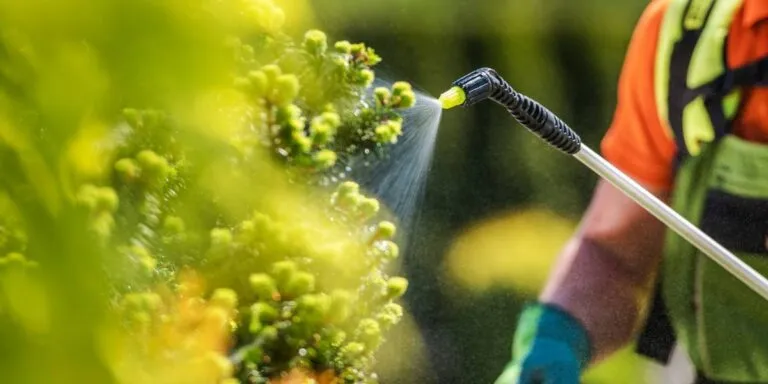
One of the best-known uses of activated carbon is in water purification. This material can remove contaminants such as chlorine, pesticides, organic compounds and impurities that alter the taste and smell of drinking water. It is used in treatment plants, household filters and industrial processes.
2. Air filtration
In ventilation and air purification systems, activated carbon is used to remove harmful gases, unpleasant odours and volatile organic compounds (VOCs). It is commonly found in air purifiers and protective masks.
3. Medical use
Activated carbon is an essential resource in medicine. It is used to treat poisoning and overdoses by adsorbing toxic substances in the digestive system, preventing them from being absorbed by the body.
4. Industrial processes
In the food, pharmaceutical and chemical industries, activated carbon plays a fundamental role. It is used to decolourise liquids, purify compounds and remove contaminants in production processes.
5. Personal care
In recent years, activated carbon has grown in popularity in beauty products such as face masks, toothpastes and soaps, thanks to its ability to absorb impurities and remove toxins.
Do you need an activated carbon milling service?
If you need activated carbon prepared for specific applications, Global-TALKE offers a specialised activated carbon milling service. This process is key to adjusting the material's characteristics to the needs of each industry, ensuring optimal performance in use.
We work with high-precision equipment that guarantees a quality end product, with the ideal particle size for applications such as purification, filtration and other industrial processes.
Contact us for more information and optimise your processes with our activated carbon milling service.