In this article
- Why does it need so much attention?
- ADR and the regulations for storing flammable liquids
- The most common categories of flammable liquids in logistics
- Summary table by type of flammable liquid
- Good practices for safe, efficient storage
- Innovation applied to the storage of flammable liquids
- Looking for a logistics warehouse to store flammable liquids?
Storing flammable liquids is one of the critical points of industrial logistics. If you manage dangerous goods, knowing the applicable regulations, the most common categories and the best operating practices will let you reduce risk, keep the service running and protect people, facilities and the environment. At Global-TALKE we are experts in the storage of APQ chemical products, and in this article we address some of these questions.
Why does it need so much attention?
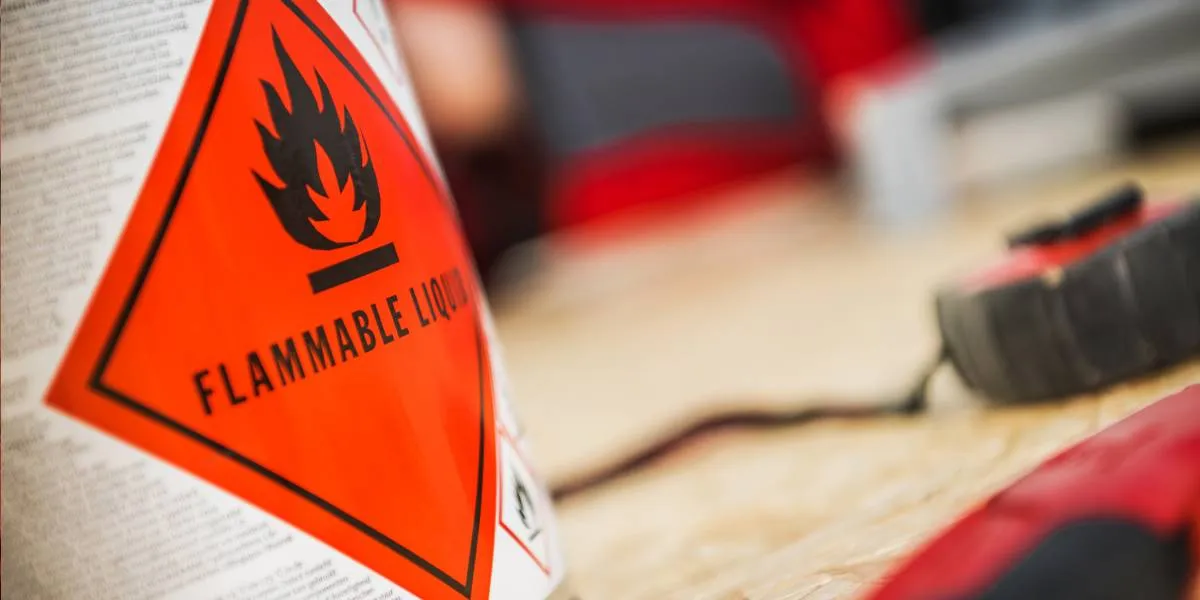
These products carry the risk of fire, explosion and the release of hazardous vapours. An incident in a warehouse can lead to personal injury, inventory losses, regulatory penalties and operational stoppages that affect your entire supply chain. That is why the design of specific areas, the correct segregation of products and staff training are decisive factors in your logistics performance.
ADR and the regulations for storing flammable liquids
In Europe, ADR establishes the regulatory basis for dangerous goods during transport, and its philosophy extends to storage through classification, packaging, labelling and documentation requirements (including Safety Data Sheets, SDS). In addition, national and local regulations may impose further conditions relating to ventilation, detection, safety distances or maximum quantities per area.
- Ensure compliant labelling and the availability of up-to-date SDS.
- Design areas with adequate ventilation, control of ignition sources and earthing.
- Implement receipt, inspection and recording procedures for traceability.
- Train staff in safe handling, PPE, emergency response and the use of fire-fighting equipment.
The most common categories of flammable liquids in logistics
Below is a guide to the product families most often found in logistics environments, with their most relevant risks and storage requirements.
- Fuels (petrol, diesel, kerosene)
Found in the automotive, aviation and industrial machinery sectors. They require approved containers, temperature control, effective ventilation and segregation from heat sources. Earthing and protection against electrostatic discharge are essential.
- Alcohols (ethanol, methanol, isopropanol)
Widely used in pharmaceuticals, cosmetics, food and disinfection. Their high volatility calls for airtight containers, storage in cool areas and ventilation that prevents the build-up of vapours. Keep strict segregation from oxidisers.
- Solvents and paints (acetone, xylene, toluene)
Common in chemicals, construction and the automotive sector. They must be kept away from ignition sources and with secondary containment for spills. Chemical compatibility and separation by class are critical to preventing dangerous reactions.
- Flammable liquefied gases (LPG, butane, propane)
Used as fuel and in industrial processes. They need compliant pressure vessels, permanent ventilation and, where appropriate, outdoor storage or very well-ventilated areas. Control leaks with fixed detection and periodic testing.
Summary table by type of flammable liquid
| Flammable liquid | Examples | Main risks | Key requirements |
|---|---|---|---|
| Fuels | Petrol, diesel, kerosene | Fire, explosion, vapours | Approved containers, earthing, temperature control and ventilation |
| Alcohols | Ethanol, methanol, IPA | High volatility, flammable vapours | Airtight containers, cool areas, segregation from oxidisers |
| Solvents/Paints | Acetone, xylene, toluene | Toxic and flammable vapours | Secondary containment, ignition control, chemical compatibility |
| Liquefied gases | LPG, butane, propane | Overpressure, leaks, explosion | Compliant pressure vessels, leak detection, permanent ventilation |
Good practices for safe, efficient storage
- Segregation by compatibility: keep flammables apart from oxidisers, corrosives and incompatible substances.
- Spill containment: use bunds, drip trays and impermeable floors sloping towards collection points.
- Atmosphere control: forced ventilation, gas detection and temperature control to prevent explosive atmospheres.
- Preventive maintenance: inspections of containers, valves, seals and of the detection and fire-fighting systems.
- Procedures and training: standard instructions, drills and staff accreditation.
- Documentation and traceability: records of receipts/dispatches, batches, expiry dates and real-time inventory.
Innovation applied to the storage of flammable liquids
Technology lets you raise the level of safety and efficiency without adding unnecessary complexity. Particularly useful are IoT sensors for continuous monitoring (temperature, pressure, VOCs), automation to reduce staff exposure, and WMS/TMS systems with compatibility-based location rules, quantity limits per area and automatic lockouts in the event of incidents.
Looking for a logistics warehouse to store flammable liquids?
Storing flammable liquids demands experience, specific infrastructure and a constant safety culture. If you want to strengthen your regulatory compliance, reduce operational risk and gain visibility over your inventory, a specialist operator will make the difference.
Global-TALKE offers logistics solutions for flammable liquids with certified facilities, validated procedures and teams that are experts in dangerous goods. If you wish, we will analyse your case and propose a tailored storage plan.